Your business runs on trust. Customers must trust your pricing, your people, and the experience you deliver to them. That trust depends on a network that is reliable, resilient, and always available. If it fails, customer confidence fails with it.
One of the most debilitating events that can occur to your network is a cyberattack. Not only does it impact business operations, but it also hijacks leadership attention, derails strategic initiatives, and drains resources into crisis response and remediation. When something goes wrong with your network, everything else in the business suddenly becomes secondary.
Perimeter Security Is Yesterday’s Strategy
For decades, network security focused on perimeter defenses, a robust castle-like wall around the network that treated everything outside as untrusted while assuming everything inside was safe. Imagine an office building today that only checks ID badges at the front door. Once you’re inside, every floor, server room, and filing cabinet is wide open because of this assumption of trust.
While your business office may have a single front door, your network no longer does. Businesses today rely on cloud applications, remote work, and BYOD devices, which break down the perimeter model out of the gate. An attacker today only needs one compromised password, one vulnerable endpoint, or one successful phishing email to begin moving laterally across servers, and databases.
What Zero Trust Networking Is
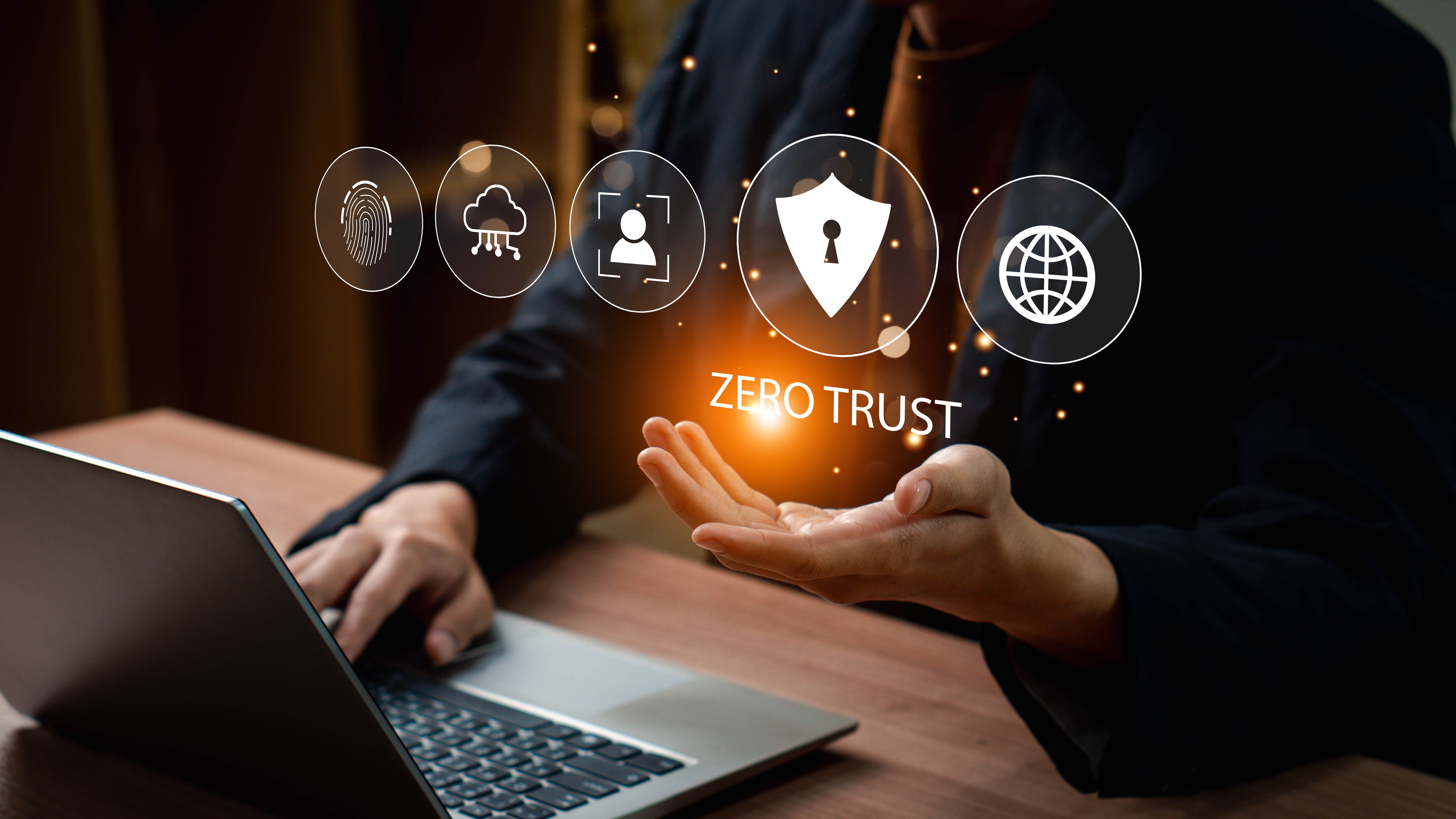
Zero Trust networking is a security model built on the principle of “never trust, always verify,” which applies to every user, device, and connection regardless of where it resides. Zero Trust utilizes continuous authentication, authorization, and monitoring for every single access request made within your network, whether it is a file on the local NAS server, a sensor on the perimeter edge, or a SaaS application. A Zero Trust approach does this using strong identity controls, device posture checks, and policy engines that grant the minimum necessary access.
Zero Trust is not about a one-time checkpoint, however. It is a process that continually evaluates access to ensure that not just as an initial step, but continual evaluation to ensure that access remains appropriate as contexts and conditions change.
Why Zero Trust Matters for Your Business
Zero Trust networking directly addresses today’s realities and ensures that your network is resilient enough to not only power the operations of your business but deliver the experiences that your customers expect. Here are some of the tangibles Zero Trust can deliver to your network:
- Some type of breach is going to occur within your network. Micro‑segmentation and granular policies limit how far an attacker can move, so one compromised account doesn’t become a full‑blown incident.
- Resource access is secured consistently for both on‑premises and remote workers because every request is verified using the same rigorous checks, whether it originates from the office, a home network, or a coffee shop. Zero Trust enables secure work from anywhere.
- The combination of continuous verification, least‑privilege access, and detailed logs help safeguard sensitive data and support regulatory requirements across industries like finance and healthcare.
- By reducing the blast radius of imminent attacks and reducing the likelihood of a major breach, your business can significantly cut recovery costs and reduce reliance on overlapping legacy tools.
- Unified visibility across users, devices, and applications gives IT teams real‑time insight into what’s happening on the network, making it easier to detect anomalies early, enforce consistent policies, and respond to threats before they escalate.
Getting Started
If your business hasn’t yet implemented a Zero Trust approach as the default security, you don’t have to “rip and replace” everything to get started. Zero Trust is an ongoing journey, not a single product. Our cybersecurity specialists here at IntegraONE can help guide you step‑by‑step toward building the Zero Trust architecture your organization needs to stay secure and competitive today.